Something changes around month ten. Not dramatically. Not overnight. But gradually, the dog in front of you starts resembling the dog you hoped you were raising. Recalls become more reliable. Commands are followed without negotiation. The chaos decreases while the connection deepens.
When Dash turned ten months old, I remember the exact moment I realized we had turned a corner. She was off leash in our fenced training field. A rabbit bolted across the far end. I called her name with zero expectation of success. She looked at the rabbit. She looked at me. She came. That moment erased months of frustration. We were going to make it.
The Brain Stabilizes
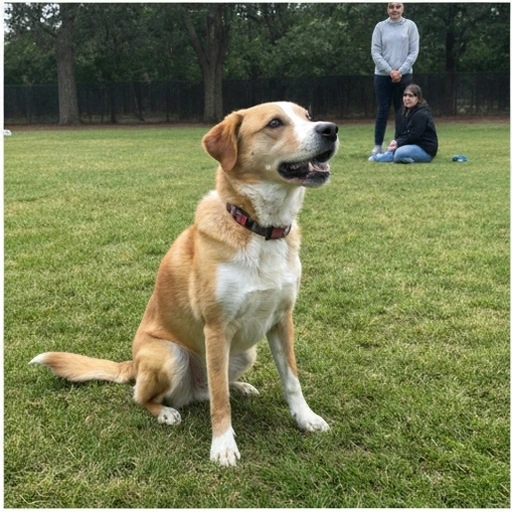
The neural reorganization of adolescence begins settling around this age. Your dog's brain is not finished developing, which continues until around two years, but the most turbulent remodeling is behind you. Access to trained behaviors becomes more consistent.
This does not mean adolescence is over. Your dog is still a teenager in many ways, as described in our adolescence guide. But the peak unpredictability has passed. You can start trusting your training again, cautiously at first, then with increasing confidence.
Training Gets Fun Again
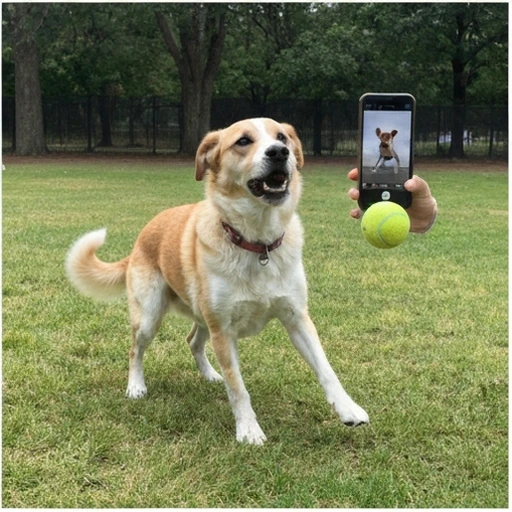
This is the phase where you can start working on things you actually enjoy. The foundations you built during the chaos now support more advanced skills. If you have been interested in a dog sport, now is when you can seriously begin.
Your dog has the physical development to handle more complex activities. Their attention span is improving. Their desire to work with you has matured beyond simple food motivation into genuine partnership.
Building on Your Foundation
Those basic behaviors you drilled during the hard months are the building blocks for everything now. A solid sit becomes the starting position for complex tricks. Reliable recall enables off-leash hiking and dog sports. The impulse control you built during teething translates to focus during exciting activities.
If you skipped foundation work during the earlier months, you will feel it now. But all is not lost. Dogs can learn at any age. You may just need to backfill some basics before progressing.
The Relationship Deepens
Around this age, something shifts in how your dog relates to you. The puppy neediness has matured into genuine partnership. Your dog is not just demanding attention; they are checking in, offering engagement, choosing to be near you because they want to be.
Herding breeds especially show this. They were bred to work in partnership with humans, and that genetic heritage emerges fully as they mature. The eye contact becomes richer. The responses become more nuanced. You start communicating in ways that go beyond verbal commands.
Signs of Emerging Partnership
- Your dog looks to you for guidance in new situations
- Excitement to see you includes a desire to work together
- Check-ins happen naturally during off-leash time
- Your dog anticipates cues before you give them
- Recovery from mistakes is quick and enthusiastic
Off-Leash Freedom Becomes Possible
With careful practice, many dogs can earn off-leash privileges during this phase. Not everywhere. Not immediately. But in appropriate settings with proper preparation.
Start with fenced areas where failure has no consequences. Practice recall in increasingly distracting environments. Build trust gradually. One successful session leads to slightly more challenging situations.
Know your individual dog. Some herding breeds achieve reliable off-leash behavior at this age. Others, particularly those with high prey drive or strong independent streaks, may need more time. There is no shame in keeping a long line attached for months or years if that is what your dog requires.
Proof Your Training
Proofing means ensuring behaviors work in various contexts. A sit that works in your living room but fails at the pet store is not a trained behavior. It is a behavior that works in one place.
This phase is ideal for proofing. Take your training to new locations. Practice with distractions. Build reliability in the real world where you actually need behaviors to function.
Physical Maturity Approaches
Your dog is approaching adult size, though many herding breeds continue filling out until two years. Exercise restrictions from puppyhood can be relaxed, but growth plates may not be fully closed depending on your breed. Review our developmental milestones guide for breed-specific timelines.
Consult your veterinarian about when full physical activity is appropriate for your specific dog. Once cleared, you can gradually increase the intensity and duration of exercise. Your dog's conditioning should build slowly to prevent injury.
Maintenance Mode Begins
The intensive daily management of puppyhood starts transitioning into something more sustainable. You still need to exercise, train, and engage your dog. But the constant supervision, the preventing disasters, the endless vigilance, that intensity decreases.
Your dog can be trusted alone in a room. Crate time may become optional rather than required. House rules are understood and followed most of the time. The management level appropriate for an adult dog starts replacing puppy management.
What Still Requires Work
Adolescence is not over. Your dog may have setbacks, particularly if they have not been altered and hormones continue fluctuating. Continued training is essential, but the nature of that training can shift from crisis management to skill development.
Some behaviors may still need reinforcement:
- Recall in high-distraction environments
- Impulse control around exciting triggers
- Polite greetings with people and dogs
- Settling in exciting locations
Looking Back at Your Journey
As your first year closes, take time to appreciate how far you have both come. Find those early photos and videos. Look at that tiny, chaotic puppy who knew nothing about living with humans. Compare them to the dog beside you now.
You survived the sleepless nights. You made it through teething. You weathered adolescence. You did not give up when giving up seemed reasonable. That persistence created the relationship you have now.
One Year Milestones
- Reliable house training in most situations
- Basic obedience that functions in daily life
- Reasonable leash manners
- Developing recall in controlled environments
- Ability to settle when asked
- Beginning of genuine partnership
What Comes Next
The second year continues the maturation process. Many herding breeds do not fully settle mentally until two or even three years old. But the trajectory has been set. The foundation is solid. Year two builds on everything you established in year one.
Some owners find the second year easier. The worst surprises are behind you. You understand your individual dog. You know their triggers, their motivations, their quirks. Training becomes more about refinement than survival.
Others find the second year challenging in different ways. Adult-level energy combined with increased confidence can create new problems. Dogs who did not receive enough socialization during the first year may show fear or reactivity issues that require dedicated work.
The Dog You Raised
At twelve months, you have shaped the foundational temperament your dog will carry through life. The socialization windows have closed. The critical learning periods have passed. What you built during this year is the platform for everything that follows.
If problems exist, they can still be addressed. Dogs learn throughout their lives. But prevention was easier than rehabilitation will be. Celebrate what you built well and plan to address what still needs work.
Understanding the genetic factors that influence your dog's behavior can help you tailor your approach going forward. Breed characteristics do not determine destiny, but they create tendencies worth understanding.
Your New Normal
Life with an adult herding breed is different from life with a puppy. It requires less constant attention but more daily commitment. Your dog needs mental and physical exercise every single day. This is not optional for the breed.
But it also offers rewards that puppy ownership could not. Adventures together. Sports and activities. The quiet companionship of a dog who knows you and chooses you. The partnership that herding breeds are capable of forming is unlike anything else in the canine world.
You made it through the first year. You built something real. The next decade or more is the payoff for everything you invested. Enjoy the dog you raised. You both earned this.
If you have not already, review The First Year Cost: Time, Money, and Sanity to understand what you invested in getting here and how to sustain your commitment going forward.