Between eight and sixteen weeks of age, your herding puppy's brain is doing something remarkable. Neural pathways are forming at an extraordinary rate, and experiences during this window literally shape how your dog will perceive the world for the rest of their life. What happens during these eight weeks has more impact on your dog's temperament than almost anything else you will do in the years to come. This is why the first three months at home are so critical.
I have spent over fifteen years studying canine development, and the research is unequivocal: the socialization window is not optional. It is not something you can catch up on later. Miss this window, and you will spend years managing problems that could have been prevented with a few weeks of intentional exposure.
Why Herding Breeds Need Extra Attention
All puppies have a socialization window. But herding breeds come with genetic predispositions that make this period particularly critical. These dogs were bred for generations to notice movement, to be alert to changes in their environment, and to respond quickly to potential threats. Without proper socialization, those same traits become reactivity to bicycles, fear of strangers, and anxiety about anything unfamiliar.
The Border Collie who fixates on skateboards and lunges at joggers is not being aggressive. They are expressing unsocialized herding instinct. The Australian Shepherd who barks at every noise is not being difficult. They are responding to a world that feels unpredictable because they never learned during their critical period that these things are normal.
The Science Behind the Window
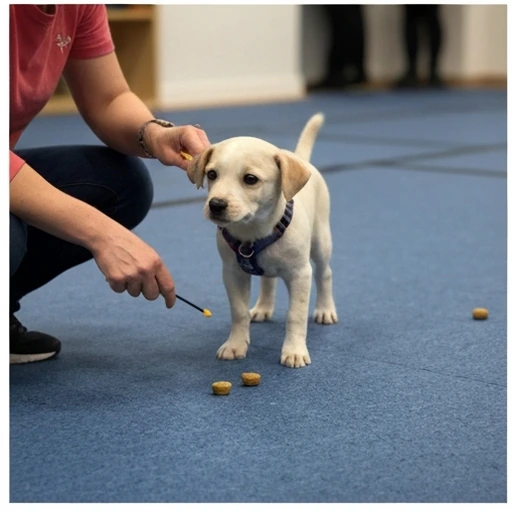
During the socialization period, your puppy's brain is exceptionally plastic. New neural connections form easily, and experiences get categorized as either normal or threatening. Puppies are naturally curious during this time, and their fear response is temporarily muted to allow for exploration.
Around sixteen weeks, this openness begins to close. The brain becomes more conservative, treating novel experiences with suspicion rather than curiosity. This is an evolutionary survival mechanism. In the wild, a young animal who had learned their environment would be right to be wary of anything new, as it could be a predator.
The closing of the socialization window does not happen overnight. It is a gradual process that varies by individual and by breed. Some herding breeds, particularly those with stronger guarding instincts like Australian Shepherds, may show earlier closure than others. But the principle remains the same: earlier exposure is always better than later.
What Research Tells Us
Studies consistently show that puppies who receive diverse socialization experiences during this period show fewer behavioral problems as adults. They are less likely to develop fear-based aggression, less likely to be surrendered to shelters, and more likely to handle veterinary visits, grooming, and travel without distress.
One landmark study tracked puppies from birth through adulthood and found that the number of different people a puppy met before fourteen weeks old directly correlated with their comfort around strangers as adults. Puppies who met fewer than twenty different people during this period were significantly more likely to show fear or aggression toward unfamiliar humans.
Creating a Socialization Plan
Effective socialization is not about overwhelming your puppy with experiences. Quality matters far more than quantity. A single positive experience with a man in a hat is worth more than ten neutral or negative exposures.
Your goal is to create positive associations with as many different categories of experience as possible. Think systematically about what your adult dog will need to handle comfortably: different types of people, various surfaces and environments, common sounds, other animals, handling and grooming, and novel situations.
Categories to Cover
- People of different ages, sizes, ethnicities, and genders
- People wearing hats, sunglasses, uniforms, and carrying bags or equipment
- Children at various ages, including toddlers and infants if possible
- Different surfaces: grass, gravel, metal grates, wet surfaces, wobbling surfaces
- Sounds: traffic, construction, appliances, alarms, fireworks recordings
- Environments: pet stores, cafes, parking lots, veterinary offices, grooming salons
- Other animals: well-vaccinated dogs, cats if possible, livestock from a safe distance
- Handling: ears, paws, mouth, tail, being lifted, being restrained gently
The Quality Over Quantity Principle
Every socialization experience should be positive or at worst neutral. This means watching your puppy's body language constantly and being prepared to create distance or end the interaction if your puppy shows signs of stress.
Signs of stress in puppies include: whale eye where the whites of the eyes are visible, lip licking when not eating, yawning when not tired, tucked tail, attempts to hide or escape, freezing in place, and refusing treats they would normally take eagerly.
If you see these signs, you have pushed too fast or too far. Back up, create distance, and try again with less intensity. One bad experience can undo dozens of good ones, especially during this sensitive period.
Balancing Safety and Socialization
The elephant in the room is vaccination. Your puppy is not fully protected against common diseases like parvovirus until their vaccine series is complete, usually around sixteen weeks. This creates an apparent conflict: the socialization window closes right when your puppy becomes fully vaccinated.
The solution is risk-managed socialization, not isolation. The risk of behavioral problems from undersocialization is statistically far greater than the risk of disease from carefully chosen exposures. More dogs are euthanized for behavior problems than die from parvo.
Safe Socialization Strategies
- Carry your puppy into stores rather than letting them walk on floors that unvaccinated dogs might have used
- Invite vaccinated, healthy dogs to your home rather than visiting dog parks
- Use parking lots of pet stores rather than going inside if floors concern you
- Attend puppy classes that require vaccination proof and clean their facilities properly
- Visit friends' homes with healthy adult dogs rather than public dog areas
- Use a wagon or stroller for outdoor socialization in higher-risk areas
Week by Week Focus
Breaking the socialization window into weekly goals can make the task feel more manageable. Here is a framework, though your specific priorities may vary based on your lifestyle and what your adult dog will need to handle.
Weeks 8-10: Foundation
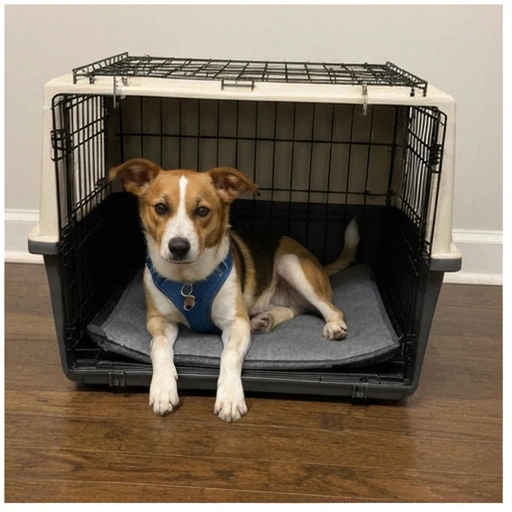
Breeders like Amandine Aubert of Bloodreina in France recommend starting structured socialization exercises before the puppy even leaves the litter, using early neurological stimulation and gentle handling from the first days of life to give each pup a head start on confidence. Focus on your immediate environment and household. Introduce all family members thoroughly. Start gentle handling exercises. Expose to household sounds like the vacuum, blender, and washing machine. Begin crate conditioning. Let your puppy explore different surfaces in your home and yard. See our training timeline for what skills to work on during this phase.
Weeks 10-12: Expanding Circles
Start venturing out while being cautious about unvaccinated dog contact. Meet neighbors. Visit friends' homes. Carry your puppy through pet stores and hardware stores. Start positive veterinary visits where nothing bad happens, just treats and handling. Introduce car rides if not already done.
Weeks 12-14: Broadening Experiences
Increase the variety of people your puppy meets. Seek out specific types: people with beards, people using wheelchairs or walkers, delivery workers, children at different ages. Expose to urban environments if you live rurally, or rural environments if you live in a city. Start grooming handling: brushing, nail touching, ear examination.
Weeks 14-16: Consolidation
Return to experiences your puppy has had before and ensure they remain positive. Fill in any gaps in your socialization checklist. Begin more structured socialization like puppy classes if not already attending. Start exposure to more challenging stimuli like recorded fireworks sounds at low volume.
Common Socialization Mistakes
Even well-intentioned owners make errors during socialization. Understanding these pitfalls helps you avoid them.
Flooding
Taking your eight-week-old puppy to a crowded festival is not socialization. It is flooding, and it can create lasting fear. Socialization should be gradual, controlled, and always at your puppy's pace. If your puppy is overwhelmed, you have gone too far.
Assuming Exposure Equals Socialization
A puppy who sits in your arms while strangers reach for them is not being socialized. They are learning that strangers are scary and they cannot escape. True socialization involves positive emotional experiences, not just physical proximity to stimuli.
Neglecting Body Parts
Many owners remember to expose their puppy to different people and environments but forget about handling. Your adult dog will need their paws touched for nail trims, their ears examined by vets, their mouth opened for dental care, and their entire body handled for grooming. Start these exercises during the socialization window.
Stopping at Sixteen Weeks
The critical window may close, but socialization should continue throughout adolescence and beyond. The foundation you build during 8-16 weeks makes ongoing socialization easier, but your dog still needs regular positive experiences with the world to maintain their confidence.
Special Considerations for Herding Breeds
Certain socialization priorities are particularly important for herding breed puppies given their genetic tendencies.
Movement Sensitivity
Herding breeds are hardwired to notice and respond to movement. Without specific socialization to moving objects, this becomes chasing cars, lunging at joggers, and fixating on anything that moves. Prioritize calm, positive exposure to bicycles, skateboards, runners, children playing, and moving vehicles.
Sound Sensitivity
Many herding breeds develop noise phobias, particularly to thunderstorms and fireworks. Play recordings of these sounds at very low volume during positive activities. Gradually increase volume over weeks, never to the point of causing fear. This inoculation does not guarantee no problems but significantly reduces the risk. Our fear periods guide explains when puppies are most vulnerable to developing lasting fears.
Strangers and Territorial Behavior
Some herding breeds, especially those with livestock guardian heritage, can develop wariness of strangers. Make meeting new people an overwhelmingly positive experience. Strangers should mean treats, play, and good things, not something to guard against.
Signs of Good Socialization Progress
- Your puppy approaches new things with curiosity rather than fear
- Recovery from startling experiences is quick
- Your puppy seeks out interaction with friendly strangers
- Body language during new experiences is relaxed: loose body, wagging tail, soft eyes
- Your puppy can settle in new environments after initial exploration
- Handling exercises are tolerated or enjoyed
When Things Go Wrong
Sometimes, despite best efforts, a puppy has a scary experience during the socialization window. If this happens, address it immediately. Return to that stimulus at much lower intensity and pair it with very high-value rewards. Do not force confrontation hoping your puppy will get over it.
If your puppy is showing fear that seems disproportionate or not improving with careful counter-conditioning, consult a veterinary behaviorist. Some puppies have genetic anxiety that requires professional intervention beyond what normal socialization can address.
The Lifetime Impact
The work you put into these eight weeks pays dividends for the next ten to fifteen years. A well-socialized herding dog can accompany you anywhere: restaurants, hotels, hiking trails, family gatherings. They handle life's unexpected moments, from fire alarms to veterinary emergencies, with resilience.
A poorly socialized herding dog lives a smaller life. Walks become stressful. Visitors are a problem to manage. Veterinary care requires sedation. Travel is impossible. The dog's world shrinks to what they can handle, and their family's world shrinks with it.
The socialization window is brief, and it passes whether you use it or not. Make these weeks count.
For more information about how genetics influence your herding dog's development, visit The Herding Gene for comprehensive resources on canine genetics and breed-specific traits.