Few topics generate more confusion for herding breed owners than exercise. You have brought home a puppy who seems to have unlimited energy, and everything you read tells you to limit exercise to protect growing joints. How do you reconcile a Border Collie's apparent need for constant activity with the five-minutes-per-month rule that gets quoted everywhere? This is one of the key challenges during the first three months at home.
The truth is more nuanced than any simple formula captures. Exercise requirements depend on the type of activity, the surface, the intensity, and your individual puppy's development. This guide breaks down what we know and what remains uncertain, giving you a framework for making informed decisions.
Why Exercise Limitation Matters
Puppies are not small adult dogs. Their bones are still forming, connected by soft growth plates that do not fully close until twelve to eighteen months depending on breed size. Excessive repetitive impact during this period can damage growth plates, leading to abnormal bone development, joint problems, and conditions like hip and elbow dysplasia.
Additionally, developing ligaments and tendons are more vulnerable to injury than mature connective tissue. A cruciate ligament tear in an eight-month-old puppy is not just a surgical problem; it often leads to lifelong joint issues that limit the dog's athletic potential. Discuss concerns with your vet during your scheduled healthcare visits.
The Five-Minutes-Per-Month Rule: Context and Limitations
The common guideline suggests five minutes of structured exercise per month of age, twice daily. A four-month-old puppy would get twenty minutes of walking or fetch, twice per day. This rule has merit but requires significant context.
The rule applies to structured, repetitive exercise on hard surfaces. It does not mean your puppy should only be awake and moving for forty minutes total each day. Free play, training, and mental enrichment do not count toward this limit in the same way that forced road running does.
What Counts as Structured Exercise
- Leash walks on pavement or concrete
- Running alongside a bicycle or jogger
- Forced swimming where the puppy cannot choose to stop
- Repetitive ball fetching, especially on hard surfaces
- Hiking with forced pace and distance
What Does Not Count the Same Way
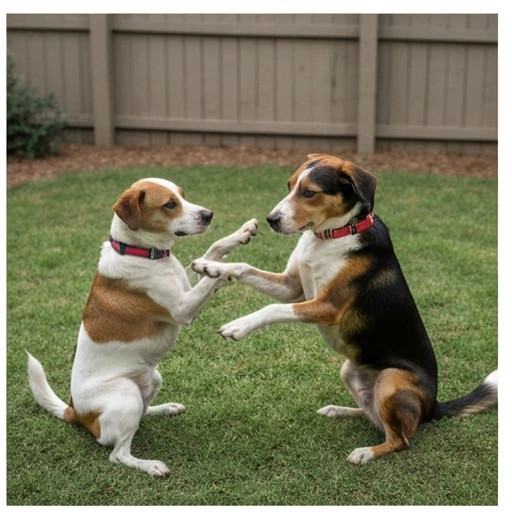
- Free play in a yard where the puppy can stop when tired
- Training sessions with movement but frequent breaks
- Self-paced exploration of new environments
- Play with other puppies of appropriate size
- Short bursts of activity interspersed with rest
Month-by-Month Exercise Guidelines
Months 2-3: Exploration Over Exercise
At this age, your puppy does not need structured exercise beyond potty trips. Their energy comes in short bursts followed by long naps. Focus on letting them explore their environment at their own pace rather than structured walks.
Safe activities include: short exploration of the yard, gentle play with appropriate toys, brief training sessions, and socialization outings where you carry them much of the time. Avoid stairs, jumping on or off furniture, and running on hard surfaces.
Appropriate Activities: Months 2-3
- Supervised yard exploration on grass
- Short training sessions of two to five minutes
- Gentle tug games at puppy level
- Puzzle feeders and snuffle mats
- Socialization outings with minimal walking
Months 3-4: Short Structured Walks Begin
You can begin short leash walks, focusing on positive experiences rather than distance or pace. Fifteen minutes twice daily is appropriate, though some puppies will tire faster. Let your puppy set the pace and offer to be carried when they seem tired.
Continue avoiding stairs, high-impact activities, and repetitive fetch games. Running after balls on flat grass for a few throws is fine; marathon fetch sessions are not.
Months 4-5: Gradual Increases
Twenty to twenty-five minutes of structured walking twice daily is reasonable. You can begin allowing your puppy to navigate stairs slowly with supervision. Play can become slightly more vigorous but should still be primarily self-directed.
This is when many owners make mistakes because their puppy seems to want more exercise than guidelines allow. Your puppy does not know what is good for their joints. Their enthusiasm is not permission to overexercise.
Months 5-6: Expanded Activity Options
Twenty-five to thirty minutes of structured exercise twice daily. Swimming can begin if your puppy enjoys water, which provides excellent exercise without joint impact. Short hikes on varied terrain are appropriate, but let your puppy rest when they want to and watch for signs of fatigue.
Begin gentle conditioning exercises: walking over low cavaletti poles, standing on balance equipment like wobble boards at ground level, and body awareness exercises. These build strength and proprioception safely.
Months 6-8: Adolescent Energy Management
Thirty to forty minutes of structured exercise twice daily. Your adolescent herding breed will seem to need far more than this, and managing their energy becomes a primary challenge. The answer is not more exercise but more varied types of activity.
Introduce: training hikes where you stop frequently for short training sessions, tracking and scent games that tire the brain, swimming if available, and play with other vaccinated dogs of appropriate size and play style.
Still avoid: long runs on pavement, repetitive jumping, aggressive fetch sessions, and any activity where your puppy cannot choose to stop and rest.
Red Flags During Exercise
Stop activity immediately and consult your veterinarian if you observe: limping or lameness even if it resolves with rest, reluctance to use stairs or jump into the car, sitting or lying down during activities they previously enjoyed, excessive stiffness after rest, or swelling around any joint. These can indicate developing joint problems that require evaluation.
Months 8-10: Approaching Adult Capacity
Forty-five minutes to an hour of structured exercise twice daily is appropriate for most herding breeds at this age. You can begin introducing more vigorous activities with caution: jogging on soft surfaces for short distances, basic agility foundation work at low heights, and longer hikes with appropriate rest breaks.
Growth plates in medium-sized herding breeds are beginning to close, but larger breeds may need continued restriction. Your veterinarian can take radiographs to determine if growth plates are closed before beginning high-impact activities.
Months 10-12: Near-Adult Exercise
Your young adult can handle more robust exercise, though full adult capacity should not be expected until eighteen months for most herding breeds. Hour-long hikes, longer swimming sessions, and introduction to dog sports are all appropriate.
Still be cautious with: repetitive jumping at full height, extensive running on hard surfaces, and high-intensity play that could lead to traumatic injury while connective tissue is still maturing.
Mental Exercise: The Real Solution
Physical exercise alone will never tire out a herding breed. These dogs were bred to work all day, day after day. No amount of walks will satisfy a brain designed for complex problem-solving and sustained mental effort. Our mental stimulation guide covers specific activities and strategies.
Mental exercise is metabolically demanding. A fifteen-minute training session or puzzle-solving activity tires your puppy as much as a longer walk without the joint impact. Build mental enrichment into every day.
Mental Exercise Options by Age
All ages: puzzle feeders, snuffle mats, frozen Kongs, training sessions, nose work games, and novel environments to explore.
Four months and older: more complex puzzles, shaping games, trick training, and introduction to scent discrimination.
Six months and older: formal nose work training, complex trick chains, and problem-solving games that require multiple steps.
The Tired Puppy Formula
A tired herding breed puppy equals: appropriate physical exercise plus extensive mental enrichment plus enforced nap time. Remove any one element and you have an overtired, frantic puppy who cannot settle. Most puppies need fifteen to eighteen hours of sleep until six months, and twelve to fourteen hours thereafter.
Surface Considerations
Where your puppy exercises matters as much as how much. Hard surfaces create more impact on developing joints than soft ones. When possible, choose grass, dirt trails, sand, or other yielding surfaces for play and exercise.
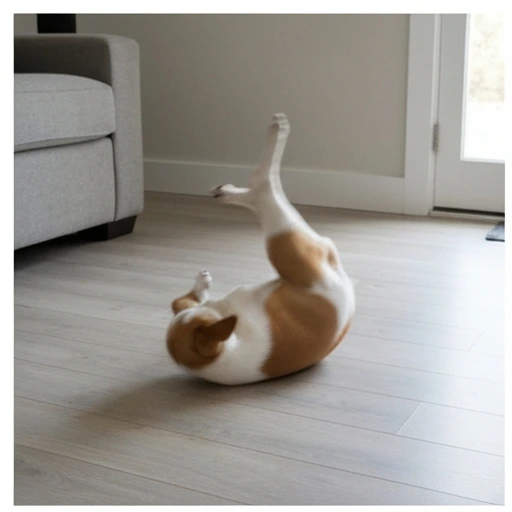
Slippery surfaces are particularly problematic. A puppy scrambling for footing on hardwood floors or tile puts excessive strain on developing joints and can cause injuries that affect them for life. Use rugs, runners, and grippy surfaces throughout your home.
Breed-Specific Considerations
Not all herding breeds have identical exercise requirements and risks. Working-line dogs may mature faster and tolerate more activity earlier. Show-line dogs, often bred for specific physical characteristics that can affect joint health, may need more caution.
Large herding breeds like German Shepherds and Belgian Malinois have growth plates that close later than smaller breeds like Shelties or Corgis. Breeds predisposed to hip dysplasia require extra caution with high-impact activities at all ages.
Understanding your specific breed's genetic predispositions helps guide exercise decisions. Resources like The Herding Gene provide breed-specific information about health considerations and genetic factors.
Signs You Are Getting It Right
A puppy receiving appropriate exercise will: settle after activity rather than remaining frantic, sleep well through the night, show no signs of lameness or stiffness, maintain consistent energy levels day to day, and engage enthusiastically in activities without showing signs of fatigue or pain.
If your puppy cannot settle despite adequate physical activity, the answer is usually more mental enrichment and more structured rest, not more physical exercise. An overtired puppy often looks like an under-exercised puppy, manic and unable to relax.
Long-Term Athletic Potential
The exercise limitation you practice in the first year pays dividends for your dog's entire life. A dog whose joints developed properly without excessive strain has a longer athletic career, fewer veterinary bills, and better quality of life in their senior years.
Many successful performance dogs in agility, herding trials, and other dog sports did minimal structured exercise as puppies. Their owners invested in mental development, appropriate play, and careful physical conditioning. The athletic work began in earnest only after the dog's body was ready.
Patience during the first year creates the foundation for ten to fifteen years of active, healthy partnership. The puppy who jogs five miles daily at six months may be retired with arthritis by age five. The puppy whose joints were protected may compete at the highest levels well into their senior years.